
Dry Graphite vs. Salt, Ice, and Slush: What Actually Holds Up
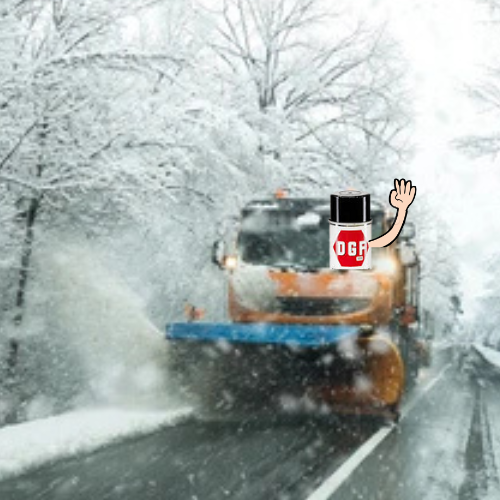
Winter brings salt, ice, and slush—along with stuck hinges, noisy doors, and grinding metal parts. While many people reach for oil or quick fixes, not all solutions survive harsh winter conditions.
Here’s how dry graphite spray compares.
❄️ Salt: Effective for Ice, Tough on Metal
Salt melts ice fast, but it’s harsh on metal surfaces.
✔ melts ice quickly
✘ accelerates rust and corrosion
✘ traps moisture that leads to refreezing
Great for sidewalks. Not so great for moving parts.
🧊 Ice & Slush: Built to Cause Friction
Ice and slush combine moisture, grit, and salt, creating a recipe for wear.
Ice and slush:
Increase friction
Trap debris in joints and tracks
Speed up wear on metal parts
Wet lubricants can make this worse by attracting more grime.
💡 Dry Graphite: Built for Winter
Dry graphite forms a clean, solid film that keeps parts moving without the mess.
Dry graphite:
Reduces friction without residue
Repels moisture and slush
Helps prevent rust
Because it’s dry, it won’t wash away or turn into gunk.
🛠 Where to Use Dry Graphite Spray
Door hinges and locks
Garage door tracks
Sliding mechanisms
Window tracks
Outdoor hardware
A light coat is all it takes.
What Actually Holds Up
Salt fights ice. Ice and slush slow everything down. Dry graphite spray protects and lubricates, keeping metal parts moving smoothly through winter’s toughest conditions.