
Hot Weather, High Friction: Why Summer Destroys Oily Lubricants
Summer is hard on a lot of things. Your car's interior, your patience in traffic, your ice cream cone. But one thing most people don't think about? What the heat is doing to the lubricants keeping their equipment running.
If you're still reaching for a traditional oily lubricant when temperatures climb, you might be doing more harm than good.
The Problem With Oil-Based Lubricants in the Heat
Traditional oily lubricants work well under the right conditions — but heat is their enemy. Here's what's actually happening when temperatures rise:
They thin out. Oil-based lubricants are viscosity-dependent, meaning their thickness changes with temperature. When it gets hot, they thin out and lose their ability to stay where they're needed. That protective film between moving parts? It's sliding right off.
They attract dirt and debris. Heat + oil = a magnet for dust, grit, and contaminants. In summer conditions — especially in outdoor, industrial, or high-use environments — that sticky residue builds up fast, turning your lubricant into a grinding paste that accelerates wear instead of preventing it.
They evaporate and oxidize. High temperatures speed up the breakdown of oil-based products. What was a fresh application in the morning can be a dried, gunky mess by afternoon — leaving your components completely unprotected at exactly the wrong time.
They create dangerous buildup. In high-friction, high-heat applications, oily residue doesn't just underperform — it can become a liability. Buildup in the wrong places creates excess heat, increases friction, and in some environments, raises serious safety concerns.
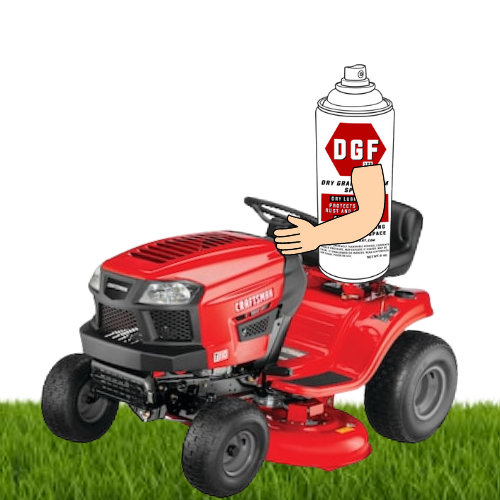
High Friction Makes It Worse
Heat and friction are a dangerous combination. Friction generates heat. Heat breaks down lubricants. Broken down lubricants cause more friction. It's a cycle that traditional oily products simply weren't designed to handle — and summer puts that cycle into overdrive.
The hotter the environment, the faster conventional lubricants fail. And in high-friction applications, you can't afford that failure.
What You Actually Need When It Gets Hot
This is where dry film lubricants change the game entirely.
Unlike oil-based products, dry film lubricants don't thin out, drip off, or attract contaminants in the heat. They bond directly to surfaces, creating a durable, low-friction barrier that holds up where oily lubricants quit. No mess, no buildup, no breakdown.
At DGF Spray, our dry film formula is engineered specifically for the conditions that destroy conventional lubricants — high heat, high friction, and demanding environments where performance can't be compromised. Summer is exactly when you need it most.
The Bottom Line
If your lubricant is oily, summer is working against you. Thinning, dripping, attracting grime, and breaking down under heat and friction — traditional lubricants are fighting a losing battle the moment the temperature climbs.
Make the switch to dry film before the season gets the best of your equipment.
👉 Visit dgfspray.com to learn more about our dry film lubricant and why professionals trust it when conditions get tough.
Work hard. Run smooth. Stay dry. 🔥
— The DGF Spray Team


