
Winter Application: How to Store Engines and Parts Without Rust
When the season ends, most engines and spare parts go into storage for months. That downtime does more damage than many people expect. Temperature swings, humidity, and condensation give rust plenty of time to form on bare metal, and a part that went on the shelf clean in October can come off it pitted in April.
Whether you build engines for a living or keep a project car in the garage, a little preparation before storage saves a lot of cleanup and replacement cost later.
Why Rust Forms in Storage
Rust needs three things: iron, oxygen, and moisture. In a garage or shop over winter, moisture is the one that sneaks in. As temperatures drop at night and rise during the day, humid air condenses on cold metal surfaces. Machined surfaces like cylinder walls, crankshaft journals, and valve stems are especially vulnerable because they have no paint or coating to protect them.
Fingerprints make it worse. Salts and oils from skin leave behind residue that can start corrosion on freshly machined parts within days.
Step 1: Clean Everything First
Never store a part dirty. Old oil, coolant residue, road salt, and grime all hold moisture against the metal.
Degrease parts thoroughly and let them dry completely.
Blow out passages and bolt holes with compressed air.
Wear nitrile gloves when handling machined surfaces to avoid fingerprint corrosion.
Step 2: Protect Bare Metal Surfaces
Once parts are clean and dry, apply a protective coating before anything goes on the shelf. This is the step that does most of the work.
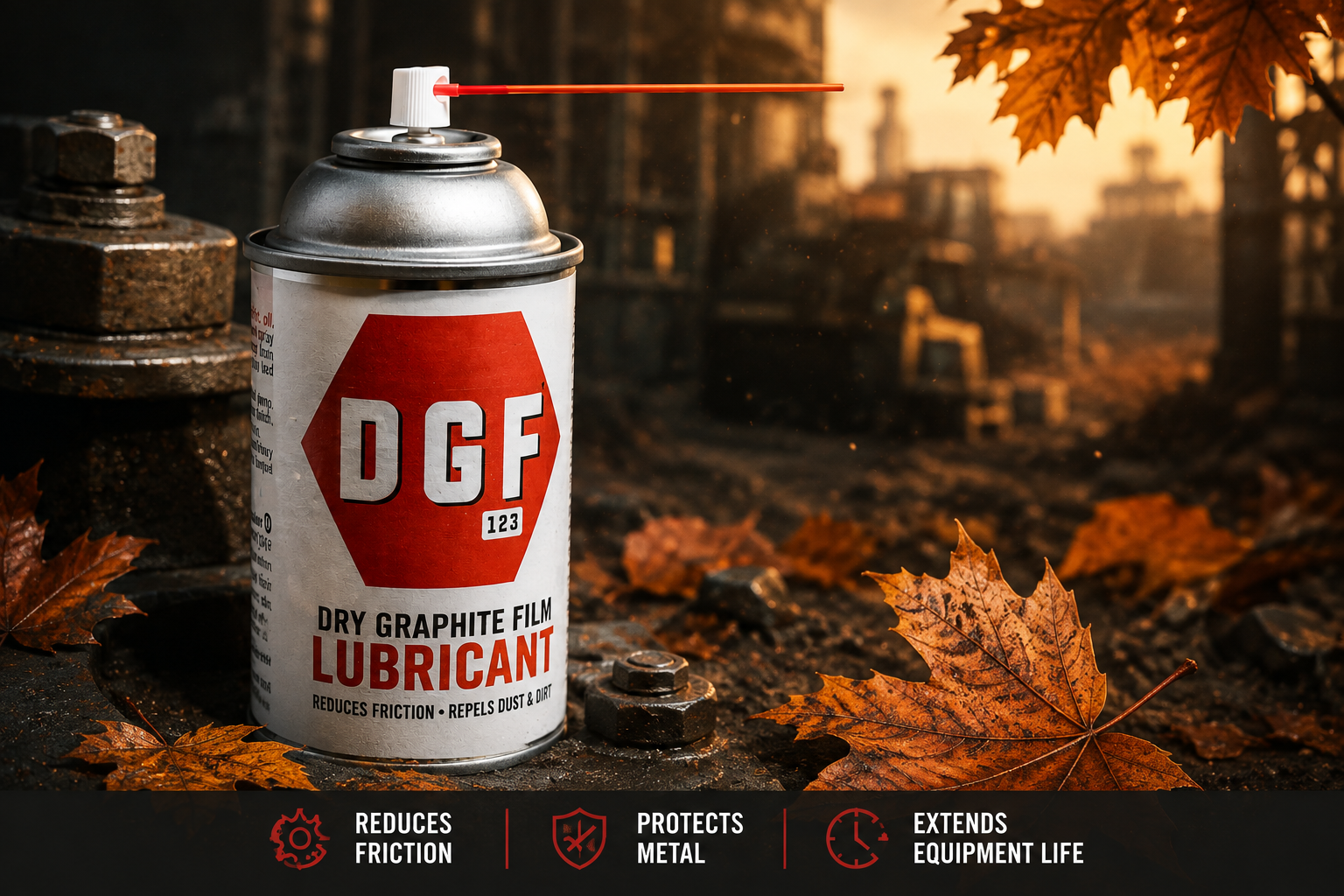
For long-term storage, a dry film lubricant is a strong option. Unlike wet oils and greases, a dry film coating won't drip, run, or collect dust and grit while parts sit. It leaves a thin, even layer that stays put through temperature changes and protects surfaces that will see wear once the engine is back in service.
Pay attention to:
Cylinder walls and bores
Crankshaft and camshaft journals
Lifters, valve stems, and rocker components
Threads, fasteners, and any machined mating surfaces
Step 3: Prepare Assembled Engines
If the engine is staying in the vehicle or on a stand, a few extra steps help:
Change the oil before storage. Used oil contains acids and moisture that can etch internal surfaces over time.
Fog the cylinders. Remove the spark plugs, coat the cylinder walls, and turn the engine over by hand to distribute the coating.
Seal the openings. Cover intake and exhaust ports, the carburetor or throttle body, and the spark plug holes to keep out moisture and pests.
Stabilize the fuel or drain the system if the engine will sit for an extended period.
Step 4: Choose the Right Storage Environment
Where you store parts matters as much as how you prep them.
Keep parts off concrete floors, which draw and hold moisture. Use shelving or pallets.
Store in a space with steady temperatures if possible. Big day-to-night swings increase condensation.
Use sealed containers or bags with desiccant packs for smaller components.
Avoid wrapping parts tightly in plastic without a desiccant. Trapped moisture has nowhere to go.
Step 5: Check In Midway Through
Don't set it and forget it. A quick inspection in mid-winter lets you catch surface rust early, when it can still be wiped off rather than machined out. Reapply protection anywhere the coating looks thin or disturbed.
Getting Back to Work in Spring
When the season starts again, inspect all surfaces before assembly or startup. Parts protected with a dry film lubricant can often go straight into service, since the coating also reduces friction during initial break-in. For stored engines, remove the port covers, check the oil, and turn the engine by hand before the first start.
Protect the Investment
Engines and precision parts represent real money and hours of work. A few steps in the fall keep them ready to go when the weather turns. DGF Spray's dry film lubricants are built to protect metal surfaces through long storage periods and continue working once parts go back into service.
Have questions about which product fits your storage needs? Contact the DGF Spray team.


